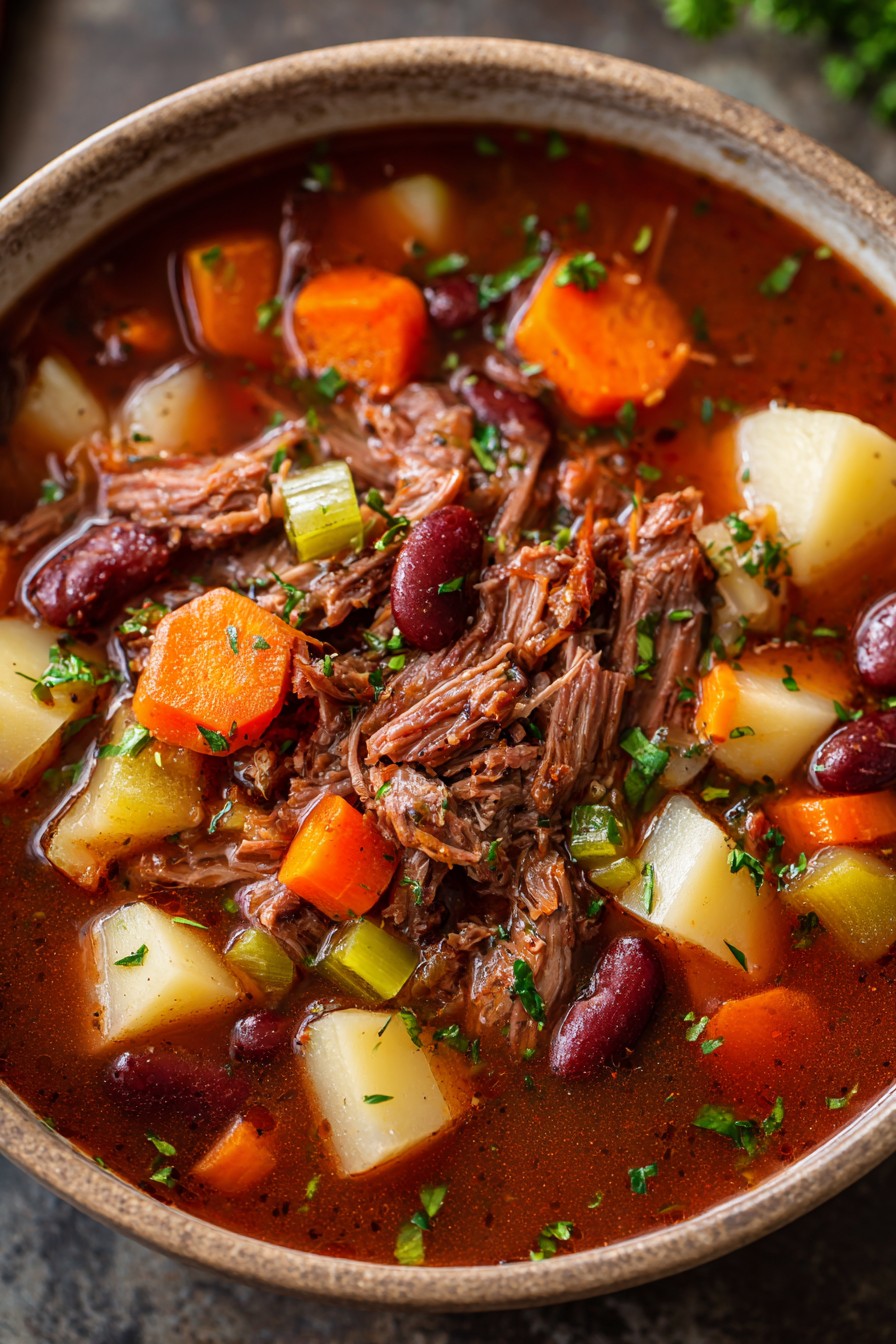
Imagine a bowl of soup so rich, so comforting, so deeply flavorful that it transports you to a place of pure culinary bliss. We're not talking about just any soup; we're talking about an exceptional melt-in-your-mouth beef brisket soup, a hearty masterpiece that warms you from the inside out. While the tender, slow-cooked brisket is undoubtedly the star, there's a secret ingredient, often overlooked, that elevates this dish from simply "good" to absolutely extraordinary: homemade beef broth.
Many home cooks reach for store-bought broth, and while convenient, it often pales in comparison to the depth and complexity achievable with a homemade version. This article will delve into how homemade broth unlocks unparalleled flavor in your beef brisket soup, along with expert tips on selecting and preparing the brisket itself, ensuring every spoonful is an unforgettable experience.
The Undeniable Power of Homemade Beef Broth
The difference between homemade and store-bought beef broth in your brisket soup isn't just noticeable; it's dramatic. Think of store-bought broth as a faint sketch, while homemade broth is a vibrant, detailed oil painting. Why such a stark contrast? It comes down to several key factors:
- Unmatched Depth of Flavor: Commercial broths often rely on concentrates and artificial flavorings, resulting in a one-dimensional taste. Homemade broth, on the other hand, is born from simmering real beef bones, marrow, connective tissue, and aromatic vegetables for hours. This slow extraction process releases a symphony of savory notes, creating a rich, complex foundation that simply cannot be replicated by a carton.
- Natural Gelatin and Body: One of the secret weapons of homemade broth is its natural gelatin content, derived from the collagen in bones and connective tissues. This gelatin gives the broth a luxurious mouthfeel and a silky body that enhances the overall richness of your beef brisket soup. Store-bought versions rarely have this natural thickness, often feeling thin and watery by comparison.
- Control Over Ingredients: Making your own broth gives you complete control over the quality of ingredients and seasonings. You can choose grass-fed bones, organic vegetables, and precisely adjust the salt level to your preference. This means a healthier, purer flavor without unwanted additives, preservatives, or excessive sodium.
- Pressure Cooker's Killer Feature: For those intimidated by the time commitment of traditional broth making, the modern pressure cooker (like an Instant Pot) is a game-changer. It transforms what was once an all-day affair into a much more manageable task, often producing deeply flavored broth in a fraction of the time. This pressure-cooking method truly is a killer feature for maximizing flavor extraction and achieving that rich, gelatinous quality quickly.
Making a big batch of broth on a lazy Sunday afternoon and freezing it in smaller portions is a fantastic strategy. This way, you're always stocked up and ready to transform a busy weeknight into an extraordinary culinary experience. Once you taste the difference, you'll understand why this foundational step is absolutely essential for a truly outstanding beef brisket soup.
Choosing and Preparing Your Brisket for Perfection
Brisket is a unique cut of meat – inherently tough, yet brimming with incredible beefy flavor. To achieve that melt-in-your-mouth tenderness in your beef brisket soup, both selection and preparation are crucial.
Selecting the Ideal Brisket Cut
Brisket is typically sold in two main sections: the flat and the point (or deckle). The flat cut is leaner and more uniform, making it easier to slice. The point cut is fattier and contains more connective tissue, which can translate to even more flavor and tenderness when properly cooked. For soup, a brisket with a good balance of fat and lean meat is ideal, as the fat will render during the long cooking process, infusing the broth with even more richness and keeping the meat moist. Don't shy away from some marbling; it's a sign of a flavorful cut.
The Art of Tenderizing: Cutting and Cooking
The key to transforming tough brisket into succulent, fork-tender pieces lies in two main techniques:
- Cutting Against the Grain: Brisket has very prominent muscle fibers, or "grain." When you slice the cooked brisket, it's vital to cut against this grain into thin, bite-sized pieces. This shortens the muscle fibers, making the meat incredibly tender and easy to chew. If you cut with the grain, even perfectly cooked brisket can feel stringy and tough. You can either cut the raw brisket into large chunks against the grain before cooking, or cook the whole piece and then slice it against the grain before adding it back to the soup. For soup, pre-cutting into smaller pieces can help the meat tenderize more quickly and absorb flavors better.
- Slow Cooking or Pressure Cooking: Brisket demands time and gentle heat to break down its abundant connective tissues.
- Slow Cooker: A slow cooker allows the brisket to simmer gently for hours, resulting in unparalleled tenderness and deep flavor infusion. This method is perfect for those who want to "set it and forget it," coming home to a warming, satisfying meal.
- Pressure Cooker: For a faster approach without sacrificing tenderness, the pressure cooker is an excellent choice. The high-pressure environment rapidly breaks down the tough fibers, achieving fall-apart tender brisket in a fraction of the traditional time. This method also excels at infusing flavors deeply into the meat and broth. For more on this, check out our guide on Mastering Brisket Soup: Instant Pot vs. Slow Cooker for Tender Meat.
Before adding your brisket to the pot, a quick sear on all sides can add another layer of flavor through the Maillard reaction, creating a beautiful crust and deepening the beefy notes.
Crafting Your Beef Brisket Soup: Beyond the Broth
With your homemade broth ready and your brisket chosen and prepped, it's time to build the rest of your incredible beef brisket soup. This is where you can truly personalize the experience and infuse it with vibrant aromatics and comforting vegetables.
Building the Flavor Foundation
A good soup isn't just about the main ingredients; it's about the layers of flavor. Start by sautéing your aromatics:
- Onions and Garlic: These are non-negotiable. Sautéing them until translucent and fragrant forms the sweet and pungent base.
- Carrots and Celery (Mirepoix): The classic soup vegetable trio adds sweetness, earthiness, and a subtle herbaceous note.
- Herbs and Spices: This is where you can guide your soup's profile. For a hearty, beefy soup, bay leaves, thyme, and rosemary are excellent choices. If you're aiming for a "Southwestern flavor," as mentioned in the reference, consider smoked paprika, cumin, chili powder, and a touch of oregano. A pinch of red pepper flakes can add a welcome kick.
Incorporating Vegetables and Additions
Once your flavor foundation is established and the brisket is tender, it's time to add other components. Consider:
- Potatoes: Russet, Yukon Gold, or red potatoes cut into chunks add starchiness and substance.
- Hominy: For an authentic Southwestern touch, homemade or canned hominy brings a unique texture and corn flavor. This is a delightful, though optional, addition for those seeking an extra layer of tradition.
- Tomatoes: Diced or crushed tomatoes can add a touch of acidity and sweetness, brightening the overall flavor.
- Beans or Corn: For extra heartiness or sweetness.
- Pasta: If you enjoy pasta in your soup, cook it separately and add it to individual bowls just before serving to prevent it from getting mushy and absorbing too much broth.
Remember to taste and adjust your seasonings throughout the cooking process. A squeeze of fresh lime juice or a splash of apple cider vinegar at the end can elevate the flavors, balancing the richness of the beef and broth.
Tips for a Truly Unforgettable Beef Brisket Soup Experience
To ensure your beef brisket soup reaches its full potential, keep these practical tips in mind:
- Rest the Meat: If you're cooking a large piece of brisket and slicing it after cooking, allow it to rest for 10-15 minutes before cutting. This allows the juices to redistribute, resulting in more tender and moist meat.
- Skim the Fat: After cooking, especially if you've used a fatty cut of brisket, the soup may have a layer of rendered fat on top. You can skim this off for a lighter soup, or leave some for added richness, depending on your preference. For easier skimming, refrigerate the soup overnight; the fat will solidify on top, making it simple to remove.
- Taste and Adjust: This cannot be emphasized enough. Before serving, taste your soup! Does it need more salt, pepper, a dash of hot sauce, or a squeeze of lemon/lime? Adjusting seasonings at the end can make all the difference.
- Garnish Generously: Fresh herbs like cilantro or parsley, a dollop of sour cream or Greek yogurt, thinly sliced green onions, or even a sprinkle of crumbled cheese can add freshness, texture, and visual appeal to each bowl. Don't forget a side of crusty bread for dipping!
- The Magic of Leftovers: Like many hearty stews, beef brisket soup often tastes even better the next day as the flavors have more time to meld and deepen. It's perfect for lunch or another comforting supper.
Embracing the journey of making your own beef brisket soup, especially starting with homemade broth, is a deeply rewarding culinary adventure. The effort is minimal compared to the incredible depth of flavor and comfort you'll achieve.
From the first savory aroma to the last satisfying spoonful, a well-crafted beef brisket soup, built on the foundation of homemade broth, is more than just a meal – it's an experience. By investing a little extra time in creating your own rich, gelatinous beef broth and carefully preparing your brisket, you unlock a flavor profile that store-bought alternatives simply cannot match. This commitment to quality ingredients and thoughtful technique transforms a simple dish into a truly unforgettable culinary masterpiece, proving that sometimes, the most profound flavors come from the simplest, most authentic foundations.
